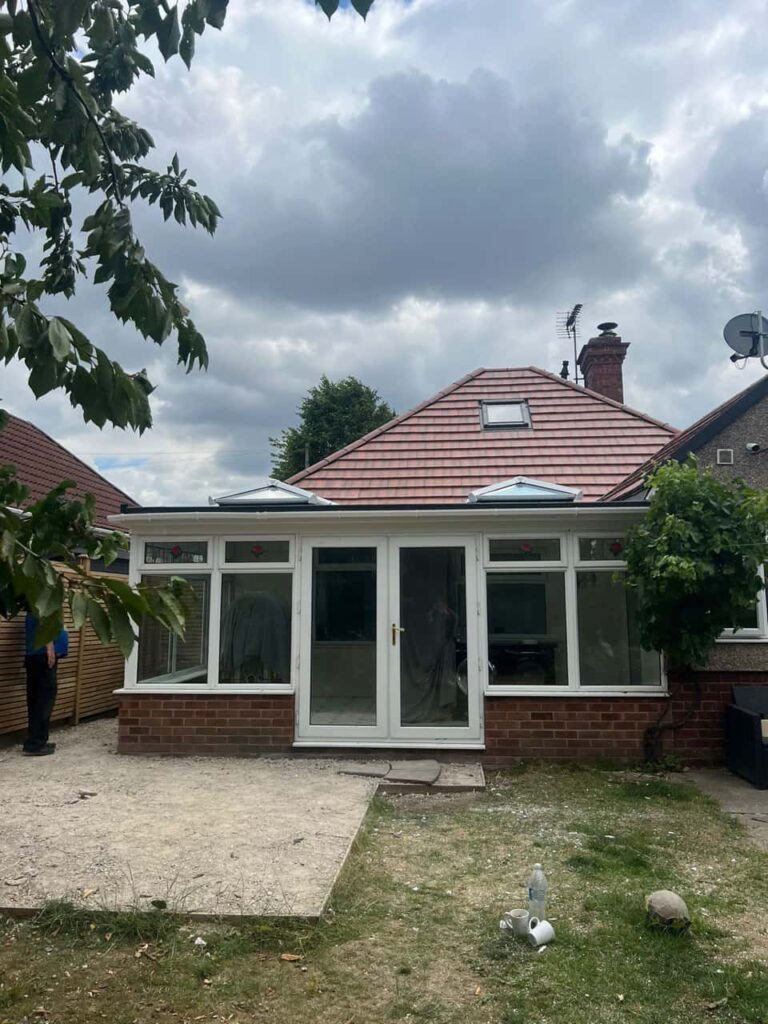
A roofing defect rarely remains isolated indefinitely. A cracked tile, damaged flashing or small opening in the roof covering can allow moisture to move beyond the original fault and affect materials elsewhere in the property.
Prompt, accurately targeted repairs help stop this progression. By identifying the point of entry and assessing the surrounding roof, a professional roofer can address the immediate defect while helping to preserve unaffected components.
How Timely Roof Repairs Contain Developing Damage
Stopping Water at Its Entry Point
The first purpose of a roof repair is to restore the weatherproof barrier. This might involve replacing damaged tiles, securing displaced materials, renewing defective flashing or repairing a vulnerable roof junction.
Finding the correct entry point is essential because the place where water appears indoors may not be directly beneath the external defect. Rainwater can follow underlay, timbers and other surfaces before reaching a ceiling or wall.
A professional inspection traces the likely route of the moisture so the repair addresses its source rather than only the visible symptom.
Protecting the Roofing Underlay
Underlay provides secondary protection beneath tiles or slates. If the outer covering is damaged, the underlay may temporarily help direct water towards the roof edge.
However, continued exposure can cause underlay to tear, sag or deteriorate. Once this layer is compromised, moisture can reach the battens and roof structure more easily. Repairing the external defect early helps reduce further stress on this important protective layer.
Preserving Battens and Structural Timbers
Roofing battens support tiles and help maintain their alignment. Rafters and other structural timbers support the wider roof.
Persistent dampness can weaken these wooden components. The affected area may remain hidden while moisture gradually spreads along the grain or into adjoining materials. Timely repair reduces continued exposure and allows any damaged timber to be identified before the deterioration becomes more extensive.
Preventing Nearby Tiles From Moving
One slipped or broken tile can affect the tiles surrounding it. Changes to the overlap may expose edges to wind-driven rain, while movement can place additional pressure on adjacent fixings.
Replacing the visible tile alone may not be sufficient if nearby materials have also loosened. A reliable repair should include an inspection of the surrounding area to confirm that neighbouring tiles remain secure and correctly positioned.
Limiting Damage Around Roof Junctions
Chimneys, valleys, roof windows and changes in roof pitch contain junctions that must direct water carefully. Defective flashing, mortar or seals in these areas can allow moisture to enter several connected parts of the roof.
Repairing the junction promptly helps prevent water from spreading beneath adjoining coverings. These areas often require detailed assessment because several materials meet within a relatively small space.
Protecting Insulation and Internal Finishes
Water entering the roof can eventually reach insulation, ceilings and walls. Damp insulation may perform less effectively, while ceilings can develop staining, swelling or damaged finishes.
The longer the source remains unresolved, the farther moisture may travel. Stopping the leak allows affected materials to begin drying and helps protect the surrounding internal areas from repeated exposure.
Reducing the Risk of Recurring Dampness
A damp patch may appear to improve during dry weather, but this does not mean that the roofing defect has resolved itself. Moisture can remain within insulation, timber or ceiling materials and return when rainfall exposes the same weakness.
A permanent repair interrupts this repeated wetting cycle. It is important to address both the route of entry and any connected roofing defects rather than relying on temporary surface treatments.
Supporting Effective Roof Drainage
Blocked or damaged gutters, valleys and outlets can cause rainwater to collect or overflow into vulnerable areas. Water that cannot drain efficiently may reach fascia boards, roof edges or the space beneath the covering.
Roof repairs may therefore include restoring drainage routes as well as correcting the visible defect. Effective water management helps prevent moisture from spreading beyond the roof and affecting adjoining parts of the property.
Why the Surrounding Area Must Be Inspected
The most obvious defect does not always represent the full extent of the problem. A professional assessment should check whether moisture has affected:
- Adjacent tiles or slates
- Roofing underlay
- Timber battens
- Roof junctions and flashings
- Valleys and drainage points
- Accessible structural timbers
- Insulation and internal surfaces
This wider inspection helps determine whether a localised repair remains appropriate or whether connected materials also need attention.
Signs That a Roof Problem May Be Spreading
Roofing damage may be progressing if you notice:
- A ceiling stain becoming larger
- Dampness appearing in more than one room
- Water entering during increasingly light rainfall
- Multiple tiles moving within the same area
- Musty odours in the roof space
- Darkening or softness in accessible timbers
- Repeated leaks after earlier patch repairs
- Damage extending along a wall or ceiling junction
These signs should be professionally assessed, even if the original leak appears minor.
Conclusion
Roof repairs prevent damage from spreading by stopping water at its source, protecting the underlay and timbers, securing surrounding materials and restoring effective drainage. The earlier a defect is correctly identified, the greater the opportunity to contain it before connected parts of the roof and property are affected.
If you have noticed a leak or developing roofing defect at your property in Aldridge, West Midlands, contact Aldridge Roofing Repairs to arrange a professional assessment. A thorough inspection can establish the extent of the problem and identify the repair needed to protect the surrounding areas.
Call us on: 01922 661 597
Click here to find out more about Aldridge Roofing Repairs
Click here to complete our contact form and see how we can help with your roofing needs.