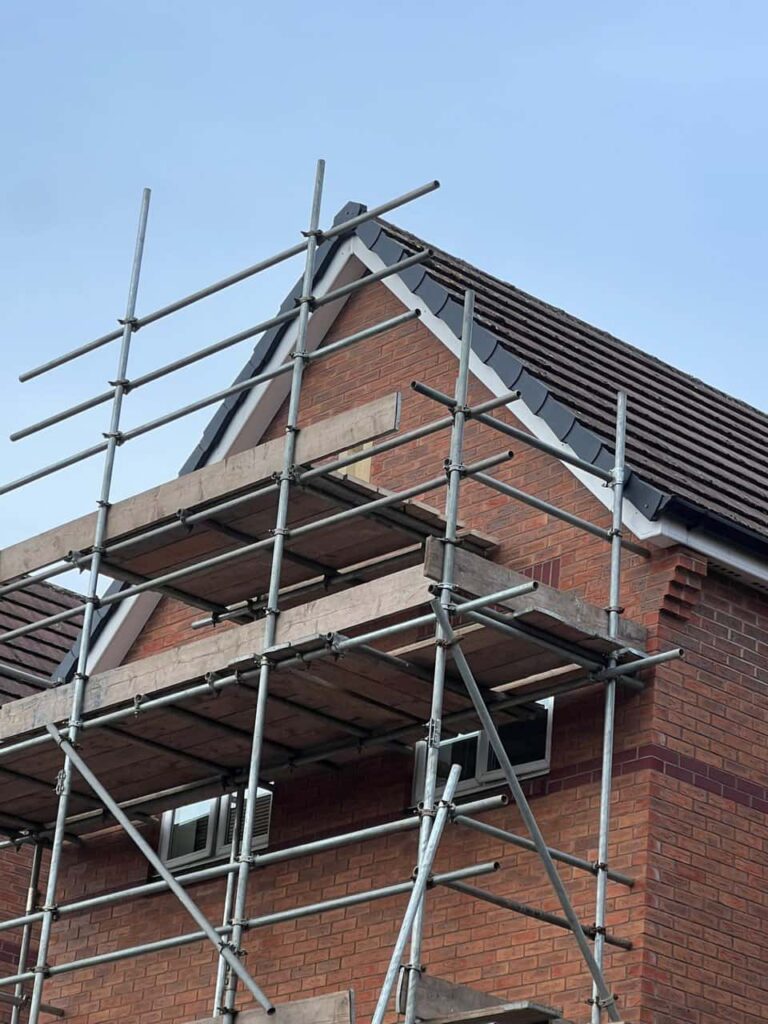
A roofline should generally appear straight, even and consistent with the shape of the property. If the ridge begins to dip, the eaves look uneven or part of a roof slope develops a visible wave, it may indicate movement within the roofing system.
Not every irregularity confirms a serious defect. Some roofs have longstanding variations caused by their original construction. However, a new or worsening change should be professionally assessed because it may involve more than the visible tiles.
What Changes in a Roofline Can Indicate
Sagging Along the Ridge
The ridge is the highest horizontal point of a pitched roof. A noticeable dip may suggest that supporting timbers have moved, weakened or become overstressed.
Possible causes include:
- Prolonged moisture exposure
- Deterioration within structural timber
- Movement at timber joints
- Inadequate support
- Changes made to the roof structure
- Excessive weight in a particular area
A sagging ridge cannot usually be corrected by replacing a few tiles. The supporting structure must be examined to determine why the movement has occurred.
A Dip Within One Roof Slope
A depression or wave across a roof slope may be linked to weakened rafters, damaged battens or deterioration beneath the covering. Tiles can follow the shape of the materials supporting them, making underlying movement visible externally.
A localised dip may also affect how water drains down the roof. Instead of flowing evenly, rainwater may collect or be directed towards joints that were not designed to handle concentrated moisture.
Uneven or Misaligned Tiles
Rows of tiles should normally follow a consistent line. Tiles that appear uneven, raised or lower than their neighbours may indicate:
- Broken tile nibs
- Failed nails or clips
- Deteriorated battens
- Incorrectly fitted replacement tiles
- Movement within the supporting roof
- Debris trapped beneath the covering
Misalignment can disturb the overlaps that direct water away. Even if no internal leak is visible, gaps may expose the underlay to wind-driven rain.
Changes Around the Eaves
The eaves form the lower edge of the roof, where water enters the guttering. A section that appears to dip or project differently may involve movement in the rafters, fascia boards or roof-edge materials.
Loose or deteriorated fascias can also affect gutter alignment. If a gutter begins to sag, rainwater may overflow rather than reaching its outlet. This can expose the roof edge and adjoining walls to repeated moisture.
Movement Around Chimneys or Roof Junctions
Changes in the roofline near a chimney, adjoining wall, valley or roof extension deserve particular attention. These areas contain several materials and weatherproof junctions working together.
Movement may open gaps in lead flashing, mortar or tile overlaps. Because water can travel beneath the covering, an internal damp patch may eventually appear some distance from the affected junction.
What Can Cause a Roofline to Change?
Roofline movement can develop for several reasons, and an external inspection alone may not reveal the complete cause.
Common contributing factors include:
- Water entering through damaged tiles or flashing
- Timber weakened by persistent dampness
- Roof battens deteriorating beneath the tiles
- Inadequate or altered structural support
- Repeated movement during strong winds
- Failure around fixings and joints
- Previous repairs that have not addressed the underlying problem
- Additional loads that the structure was not intended to carry
The correct repair depends on which components have been affected. Treating only the visible surface may leave the cause unresolved.
Is Every Uneven Roofline a Problem?
Older properties may have rooflines that are not perfectly straight. Minor variations can result from original construction methods, natural timber movement or previous alterations.
The important question is whether the shape has changed. Photographs taken from the same position at different times can help establish whether a dip or distortion is progressing.
Further assessment is advisable if the unevenness is new or accompanied by:
- Cracked or slipping tiles
- Loose ridge materials
- Dampness in the roof space
- Water staining on ceilings
- Daylight visible beneath the covering
- Cracks or movement near roof junctions
- Doors or ceilings changing beneath the affected area
- Gutters no longer draining correctly
These signs can help connect the external change with a wider roofing issue.
Why Prompt Inspection Matters
Roof movement may place additional strain on tiles, underlay, flashing and fixings. As the shape changes, components can separate or lose the overlaps needed to keep out rain.
Early inspection helps establish whether the issue is confined to a small section or affects the wider roof structure. Localised repairs may be possible when movement is limited and the surrounding materials remain sound. More extensive work may be necessary if moisture or deterioration has affected several connected components.
What a Professional Assessment Should Check
A reliable assessment should consider the roof as a complete system rather than focusing only on its external appearance. This may include checking:
- The ridge, hips and roof slopes
- Tile alignment and condition
- Battens and underlay where accessible
- Rafters and supporting timbers
- Chimneys, valleys and flashing
- Fascias, soffits and gutter alignment
- Signs of moisture within the roof space
- Earlier repairs near the affected area
At Aldridge Roofing Repairs, we inspect the visible change together with the supporting and weatherproofing components around it. This helps identify the cause before the appropriate repair is recommended.
Conclusion
A changing roofline can indicate movement in the tiles, battens, rafters or other supporting materials. Although some irregularities are longstanding and stable, a new sag, dip or uneven section should not be ignored.
If you have noticed a change in the roofline of your property in Aldridge, West Midlands, contact Aldridge Roofing Repairs to arrange a professional assessment and receive clear guidance on the work required.
Call us on: 01922 661 597
Click here to find out more about Aldridge Roofing Repairs
Click here to complete our contact form and see how we can help with your roofing needs.